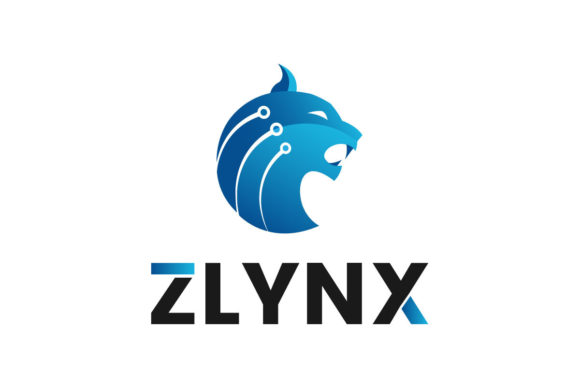
Unlocking the Potential of Your Lynx Data Lamp Logo Design
Whether you are launching a tech startup, refreshing your personal brand, or simply looking for a unique graphic element for a creative project, the Lynx Data Lamp Logo Design offers a versatile foundation. This specific digital asset combines the sleek, modern aesthetic of data visualization with the organic, sharp lines of a lynx, all illuminated by the concept of a lamp or light source. It is a powerful visual metaphor for insight, clarity, and intelligence in the digital age. However, owning the files is only the first step. Many creators, from seasoned graphic designers to small business owners, often stumble not because the design lacks quality, but because they misunderstand how to properly implement vector assets in their workflows. By understanding the nuances of file formats and application contexts, you can ensure your final output looks professional rather than amateurish.
Understanding the Asset Package
Before diving into design applications, it is crucial to understand exactly what you have received. The standard package for the Lynx Data lamp logo typically includes a comprehensive set of files: one SVG file, one EPS file compatible with Adobe Illustrator (saved as version 10), a high-resolution JPG at 300dpi, and a PNG file at 300dpi with a transparent background. This variety is intentional, catering to different mediums. The SVG and EPS files are your vector sources, meaning they can be scaled infinitely without losing quality. The raster files (JPG and PNG) are ready-to-use images optimized for specific resolutions. A common oversight occurs when users treat all these files as interchangeable. Using a raster image for a large-format print or a vector file in a platform that does not support it can lead to frustrating results.
The Trap of Ignoring Vector Scalability
One of the most frequent mistakes beginners make is relying solely on the included JPG or PNG files for everything. While these 300dpi images are excellent for social media posts, website headers, or standard document insertion, they have hard limits. If you decide to use the Lynx Data Lamp Logo Design for a large wall art piece, a trade show banner, or even a high-quality printed invitation card, using the raster versions will result in pixelation and blurriness when enlarged beyond their original dimensions.
To avoid this, always prioritize the SVG or EPS files for any physical printing or scaling needs. These formats use mathematical paths rather than pixels, ensuring crisp edges whether the logo is the size of a business card or a billboard. If you are a hobbyist creating handmade craft items, such as vinyl decals or heat transfers, importing the SVG directly into your cutting machine software is the superior approach. This ensures the cut lines are precise, preventing wasted material and jagged edges on your final product.
Misunderstanding File Compatibility
Another area where confusion often arises is software compatibility. The package includes an EPS file saved as Adobe Illustrator version 10. This is a strategic choice by the creator to ensure maximum compatibility with older versions of design software. However, some modern users might attempt to open this file in basic photo editors or free online tools that do not fully support complex EPS structures. When this happens, the layers may flatten, colors might shift, or the file may fail to open entirely.
If you encounter issues opening the EPS file, switch to the SVG format. SVG is widely supported across modern web browsers, design tools like Canva, Figma, and Inkscape, and even some word processors. For web design purposes, the SVG is arguably your most valuable asset. It loads quickly, remains sharp on retina displays, and can be styled with CSS. Do not force a workflow that fights the file type; instead, choose the format that aligns naturally with your chosen tool.
Contextual Application Errors
The versatility of the Lynx Data lamp logo allows it to be used for stationery, announcements, party decor, and corporate branding. Yet, a lack of contextual awareness can undermine its effectiveness. For instance, using the full-color version of the logo on a busy background without checking contrast ratios can make the design invisible. Similarly, placing the detailed "data" elements of the logo on a small item, like a standard pen or a favicon, might render the intricate details as a muddy blob.
A better approach is to evaluate the scale and background before committing to a print run or publication. For small-scale applications, consider simplifying the usage or ensuring the output resolution is exceptionally high. For party decor or invitations, leverage the transparent PNG for quick drag-and-drop ease, but verify the background color of your invitation stock matches the intended vibe of the logo. If the logo features dark data streams, ensure your paper stock is light enough to provide necessary contrast.
Best Practices for Professional Results
To maximize the value of your purchase and ensure high-quality outcomes, follow these practical guidelines:
- Audit Your Workflow: Before starting, identify which software you will use. If you are using Adobe Illustrator, the EPS file gives you full layer control. If you are using a web-based editor, the SVG is likely your best friend.
- Check Color Profiles: Digital screens use RGB, while printers use CMYK. The JPG and PNG files are usually in RGB. If you are sending files to a professional printer for announcements or stationery, ask if they require a CMYK conversion. You may need to open the vector file in Illustrator to adjust the color profile to prevent dull or shifted colors in print.
- Preserve the Originals: Always keep a backup of the original zip folder. When editing, save your work as a new file name. This prevents accidental corruption of the source assets, allowing you to restart if a design experiment goes wrong.
- Test Before Mass Production: Whether you are making handmade cards or ordering 500 t-shirts, always produce a single prototype. Check the clarity of the lines, the accuracy of the colors, and the overall feel of the Lynx Data Lamp Logo Design in its intended environment.
Making the Right Choice for Your Project
Ultimately, the success of your project depends on matching the right file to the right medium. The Lynx Data lamp logo is a robust tool designed to elevate your visual communication, but it requires a thoughtful approach. By avoiding the pitfalls of incorrect file usage, respecting the limitations of raster images, and leveraging the power of vectors, you can create stunning graphic and web designs that stand out. Whether you are an entrepreneur building a brand identity or a creator making personalized gifts, taking the time to understand these digital elements will save you time, money, and frustration in the long run. Embrace the flexibility of the assets provided, and let the design work as hard as you do.