Elevating Brand Identity with Versatile Tea Leaf Logo Design Assets
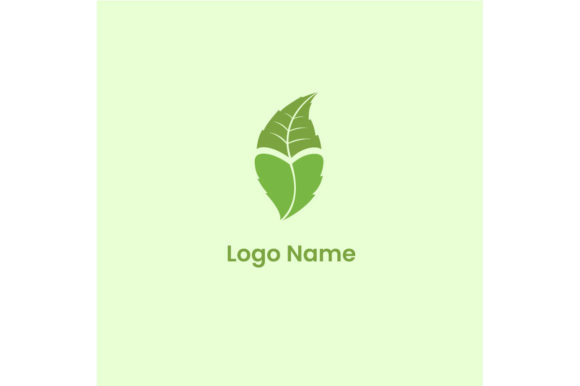
In the contemporary landscape of branding and visual communication, the choice of imagery plays a pivotal role in how a business is perceived. Among the most enduring and versatile symbols available to designers and entrepreneurs is the tea leaf. A Tea Leaf Logo Design transcends mere decoration; it serves as a narrative device that conveys freshness, organic quality, tradition, and tranquility. Whether for a high-end tea house, a wellness spa, or an eco-friendly product line, the integration of botanical elements into a brand's core identity offers a unique connection to nature that resonates deeply with consumers.
The utility of digital graphic elements extends far beyond simple logo placement on a website header. Modern creators require assets that are adaptable across a myriad of mediums. When utilizing a comprehensive package containing vector and raster formats—such as SVG, EPS, JPG, and PNG files—the possibilities for application become nearly limitless. These files allow professionals to scale graphics without loss of quality, ensuring that a Tea Leaf Logo Design looks crisp on a massive billboard just as it does on a delicate business card.
The Strategic Value of Vector and Raster Formats
Understanding the technical specifications of design assets is crucial for maximizing their potential. A robust design package typically includes an SVG file and an EPS file, which are vector-based formats. Unlike pixel-based images, vectors use mathematical equations to define shapes, meaning they can be resized infinitely without becoming blurry or pixelated. This is particularly important for a Tea Leaf Logo Design intended for large-format printing, such as storefront signage or vehicle wraps.
Furthermore, the inclusion of an Adobe Illustrator file, saved as version 10, ensures compatibility with a wide range of software versions, allowing designers to edit colors, stroke weights, and paths with precision. This level of editability is essential for customizing the logo to fit specific brand guidelines. For instance, a designer might need to adjust the curvature of the leaf or change the shade of green to match a specific Pantone color.
On the other hand, raster formats like JPG and PNG files at 300dpi serve different but equally critical functions. The 300dpi resolution is the industry standard for high-quality print production. A JPG file is ideal for photographic contexts or when file size needs to be managed for certain print workflows. Meanwhile, a PNG file with a transparent background is indispensable for digital applications. It allows the Tea Leaf Logo Design to be overlaid on websites, social media profiles, or video content without an unsightly white box surrounding the graphic. This versatility ensures that the brand maintains a professional appearance across all touchpoints.
Diverse Applications in Print and Stationery
The tangible nature of print media offers a sensory experience that digital channels cannot replicate. For businesses in the food and beverage industry, specifically tea shops and cafes, the physical presentation of the brand is paramount. Utilizing a Tea Leaf Logo Design on printed paper items creates a cohesive brand story from the moment a customer walks through the door.
Consider the impact of custom stationery. Business cards, letterheads, and envelopes adorned with a refined tea leaf motif project an image of elegance and attention to detail. For event planners or boutique owners, these graphics can be transformed into invitation cards and announcements. Imagine a wedding invitation for a couple who met in a tea garden, or a corporate retreat announcement for a wellness company; the tea leaf serves as a thematic anchor that ties the event together visually.
Moreover, the realm of handmade cards and artisanal crafts benefits significantly from high-resolution digital assets. Crafters can print these designs onto textured cardstock to create unique greeting cards or thank-you notes. The ability to print at 300dpi ensures that the fine lines and gradients within the leaf design remain sharp, preserving the artistic integrity of the original work. This application bridges the gap between digital design and tactile artistry, allowing small business owners to produce professional-grade materials in-house.
Enhancing Party Decor and Event Branding
Events provide a dynamic canvas for creative expression. A Tea Leaf Logo Design can be scaled and adapted to suit various decorative needs, transforming a standard venue into an immersive environment. For tea-tasting events, bridal showers, or garden parties, these graphics can be printed on banners, table runners, and cupcake toppers.
The transparency of PNG files is particularly useful here, allowing designers to place the logo over colored backgrounds or patterned fabrics without visual conflict. Additionally, the vector files (SVG and EPS) enable the creation of large-scale wall decals or window clings. This flexibility means that a single design asset can be repurposed multiple times within the same event, creating a unified aesthetic that reinforces the theme. Whether it is a subtle watermark on a menu or a bold centerpiece on a stage backdrop, the tea leaf motif adds a layer of sophistication and thematic consistency.
Digital Integration and Web Design
In the digital age, a brand's online presence is often the first point of contact with potential customers. Implementing a Tea Leaf Logo Design within graphic and web design projects requires a keen understanding of user interface principles and load times. The SVG format is increasingly becoming the gold standard for web icons and logos because it renders sharply on all screen resolutions, from mobile phones to 4K monitors, while maintaining a small file size.
Web designers can utilize the SVG code to animate the tea leaf, perhaps having it gently sway or unfurl as a user interacts with the page. Such micro-interactions enhance user engagement and make the browsing experience more memorable. Furthermore, the PNG file with a transparent background is essential for favicons, social media profile pictures, and overlay graphics in marketing videos.
For e-commerce platforms selling tea or related accessories, consistent branding is key to building trust. Using the same high-quality Tea Leaf Logo Design across product packaging photos, website headers, and email newsletters creates a seamless customer journey. The professional quality of 300dpi source files ensures that even when images are compressed for web use, the underlying detail remains sufficient to look professional on retina displays.
Crafting Unique Wall Art and Home Decor
Beyond commercial applications, these digital graphics hold significant value for interior design and personal expression. The trend of incorporating botanical themes into home decor continues to grow, driven by a desire to bring the outdoors inside. A Tea Leaf Logo Design can be repurposed as wall art, offering a minimalist yet striking visual element for kitchens, dining rooms, or meditation spaces.
Artists and hobbyists can take the EPS or AI files to create screen prints, stencils, or vinyl cutouts. The clean lines typical of logo designs translate well into large-scale murals or framed prints. For those interested in handmade craft items, the design can be transferred onto ceramics, textiles, or wooden surfaces. The versatility of the file formats means that a crafter can resize the leaf to fit a small coaster or a large tapestry without worrying about resolution loss. This adaptability empowers creators to produce one-of-a-kind items that reflect personal style or complement a specific interior design scheme.
Considerations for Effective Implementation
While the availability of diverse file formats simplifies the design process, successful implementation requires thoughtful consideration of context and audience. When selecting a Tea Leaf Logo Design, one must evaluate how the symbol aligns with the brand's core values. Is the brand focused on luxury and tradition, or is it modern and energetic? The styling of the leaf—whether realistic, abstract, or minimalist—should mirror these attributes.
Color psychology also plays a significant role. While green is the natural choice for tea leaves, experimenting with monochromatic schemes, gold foils for luxury packaging, or earth tones for organic products can yield different emotional responses. The editable nature of the Adobe Illustrator file allows for this experimentation without needing to commission a new design from scratch.
Additionally, creators should be mindful of licensing and usage rights when utilizing stock graphics for commercial purposes. Ensuring that the Tea Leaf Logo Design is cleared for the intended use—whether for mass production of merchandise or limited run event decor—is a critical step in avoiding legal complications. Professional diligence in this area protects the integrity of the business and the creator.
The Future of Botanical Branding
As consumer preferences shift towards sustainability and authenticity, the demand for organic and nature-inspired branding is likely to increase. The tea leaf, as a symbol, is well-positioned to meet this demand. Its association with health, relaxation, and natural origins makes it a timeless choice for brands looking to establish a genuine connection with their audience.
The ability to manipulate these digital assets across various platforms—from stationery to web design—ensures that brands can maintain a consistent voice in an increasingly fragmented media landscape. By leveraging high-quality vector and raster files, businesses and creators can produce work that stands out for its professionalism and aesthetic appeal. Whether used for a simple handmade card or a complex corporate rebranding effort, the Tea Leaf Logo Design remains a powerful tool in the visual storyteller's arsenal, capable of adapting to the evolving needs of the market while retaining its inherent charm and significance.