Mastering Parental Pay Calculations
Navigating the complexities of parental leave is one of the most significant administrative challenges a growing business faces. It sits at the intersection of empathy, legal compliance, and financial precision. When you are calculating parental pay requirements, you are not just crunching numbers; you are building trust with your team during a pivotal life moment. The process demands accuracy, but it also requires clarity. This is where the fusion of robust data management and intuitive visual design becomes essential. By leveraging specialized tools like onboarding vector templates, organizations can transform a potentially confusing bureaucratic hurdle into a seamless, supportive experience for both HR professionals and expecting parents.
The concept of calculating parental pay requirements extends beyond simple arithmetic. It involves understanding statutory limits, company-specific top-ups, tenure-based eligibility, and varying regional laws. For creators, designers, and small business owners, presenting this information effectively is just as important as getting the math right. A dense spreadsheet might be accurate, but it often fails to communicate the journey clearly. This is why modern approaches favor visual storytelling. Imagine a responsive mobile website or an internal app that guides an employee through their entitlements step-by-step, using clean linear illustrations to soften the corporate edge. This approach does not dilute the seriousness of the topic; rather, it makes the information accessible and less intimidating.
The Power of Visual Onboarding Templates
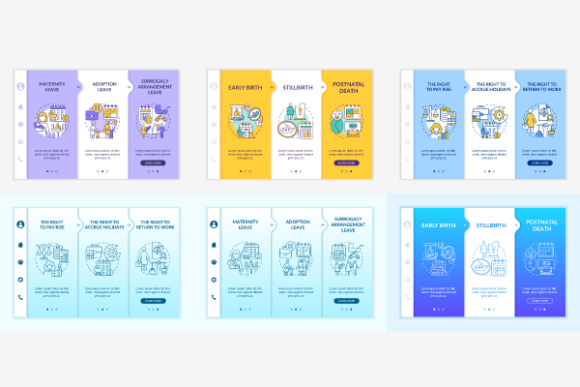
In the realm of human resources and internal communications, the medium is often part of the message. Using a calculating parental pay requirements onboarding vector template allows businesses to standardize how they present sensitive financial data. These templates are not merely decorative; they are functional frameworks designed to organize complex logic into digestible segments. When you utilize a collection of vector templates tailored for this purpose, you gain the flexibility to adapt the content across various platforms without losing fidelity.
Consider the versatility of file formats like AI, EPS, and SVG. These allow designers to scale illustrations from a tiny icon on a mobile screen to a large poster in a breakroom without pixelation. For marketers and bloggers creating content about workplace benefits, these assets provide a professional polish that generic stock photos cannot match. Linear illustrations, characterized by their clean lines and open color concepts, convey modernity and transparency. They suggest that the process of calculating maternity pay requirements is straightforward and handled with care. This visual language helps reduce anxiety for employees who might otherwise feel overwhelmed by policy documents.
Furthermore, these templates often come with pre-designed infographic elements. Instead of writing a wall of text explaining how average weekly earnings are derived, you can use a flowchart or a timeline graphic included in the set. This aligns with the needs of educators and publishers who need to explain concepts quickly. Whether you are designing a brochure for new hires or a digital slide deck for a town hall meeting, having access to high-quality infographic elements ensures your message remains consistent and branded.
A Five-Step Walkthrough for Clarity
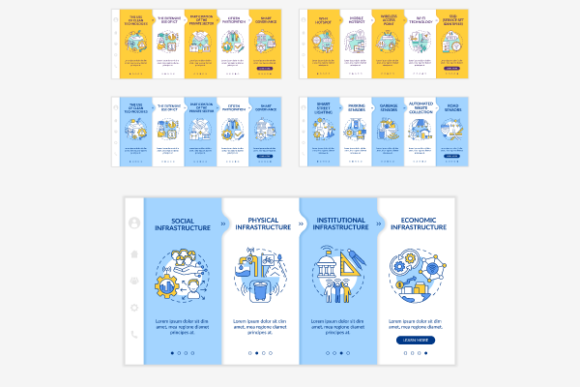
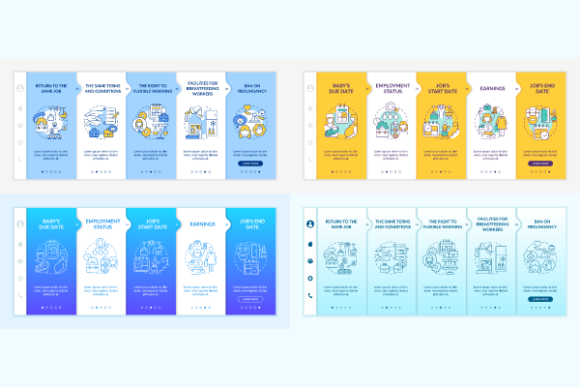
To truly effective communication, structure is key. A highly practical application of these design resources is creating a web page walkthrough consisting of five distinct screens. This method breaks down the daunting task of calculating parental pay requirements into manageable actions. Here is how such a user journey might look when adapted for a responsive mobile interface:
- Eligibility Check: The first screen uses a simple icon, perhaps a checklist or a shield, to guide the user through basic criteria. Questions regarding length of service and employment status are presented clearly. The linear illustration here sets a welcoming tone, indicating that this is a safe space to gather information.
- Data Input: The second screen focuses on gathering necessary figures. Instead of a cold form, the design uses friendly input fields surrounded by helpful tooltips. Icons representing salary, hours worked, and leave start dates make the interface intuitive. This step ensures that the inputs for calculating maternity pay requirements are accurate before any computation occurs.
- The Calculation Engine: The third screen visually represents the processing phase. An animated linear graphic can show the system analyzing statutory rates against company policies. This transparency builds confidence, showing the user that the system is working diligently to determine their specific entitlement.
- Results Breakdown: The fourth screen displays the outcome. Rather than a single lump sum figure, it uses a bar chart or segmented circle to show the split between government pay and employer top-ups. Clear typography and color-coded sections help the user understand exactly what they will receive and when.
- Next Steps & Resources: The final screen offers actionable advice. It includes links to download official forms, contact HR, or access parenting support groups. Icons for email, phone, and documents guide the user toward the next phase of their journey, ensuring they feel supported beyond just the financial calculation.
This five-step structure is adaptable. Freelancers and entrepreneurs can use this same logic to create client-facing calculators for their own services. The principle remains the same: guide the user from uncertainty to clarity through a structured, visually engaging path.
Adapting Designs for Diverse Audiences
The beauty of working with a comprehensive set of vector templates lies in their adaptability. Different users have different goals. A small business owner might need a simple, printable one-pager to hand out during a private meeting. In contrast, a tech startup might want to integrate these graphics directly into their employee portal app. The availability of formats like JPEG and PNG ensures that even those without advanced design software can utilize the assets immediately for presentations or social media posts.
For educators and trainers, these templates serve as excellent teaching aids. When explaining labor laws or business ethics, having a visual representation of how parental pay is calculated makes the abstract concrete. You can modify the color concepts to match your institution's branding, ensuring that the material feels native to your environment. The linear illustration style is particularly effective here because it avoids cultural specificity, making it suitable for global teams or diverse audiences.
Moreover, the emphasis on responsive mobile website design cannot be overstated. Most employees will access this information on their phones, perhaps during a commute or while managing other family responsibilities. Ensuring that the icons are legible on small screens and that the layout flows vertically is crucial. The vector nature of these templates means they are inherently resolution-independent, perfect for the high-DPI displays found on modern smartphones.
Maintaining Quality and Consistency
When deploying these resources, consistency is your greatest ally. Whether you are producing a series of blog posts, an internal newsletter, or a full-scale onboarding module, sticking to a unified visual language reinforces professionalism. BSD studio and similar providers offer a variety of products precisely so you do not have to mix and mismatch styles. By sourcing your brochure templates, mobile app screen pages, and icon sets from a cohesive collection, you ensure that the visual weight and line thickness remain uniform throughout your project.
Practical inspiration also comes from knowing when to simplify. While it is tempting to add elaborate details, the core value of calculating parental pay requirements tools is clarity. Use white space generously. Let the linear illustrations breathe. Ensure that the text contrasts well against the background colors. The goal is to make the user feel confident in the information provided. If a user has to squint to read a number or decipher a complex icon, the design has failed its primary purpose.
Ultimately, saving time on design work should never come at the cost of quality. High-quality assets allow you to focus on the content and the human element of the message. Whether you are a publisher creating a guide for new parents or an HR director updating company policy, having the right tools at your disposal empowers you to deliver information with dignity and precision. Explore the available shop options to find the specific file types and topics that resonate with your current project needs. There is always something new to discover that can elevate your work from functional to exceptional.
In conclusion, the process of calculating parental pay requirements is a critical function that benefits immensely from thoughtful design. By integrating vector templates, linear illustrations, and structured walkthroughs, you create an environment where compliance meets compassion. It is a practical investment in your organization's culture and a creative opportunity to showcase your commitment to your people. Embrace these tools to streamline your workflow, enhance understanding, and deliver a superior experience for everyone involved.